中国梦之声
Chinese conservationist explores community-based wildlife protection in Kenya_我的网站

一 |
7月23日,中国乒乓球俱乐部超级联赛爆发焦点对决,世界排名第一的王楚钦代表山东魏桥·向尚运动俱乐部登场,在首秀中迎战山东鲁能的直拍名将徐海东,结果王楚钦激战3局后1-2被逆转,本队由此以2-4落后总比分(首盘梁靖崑/李和宸1-2陈垣宇/夏易正)。 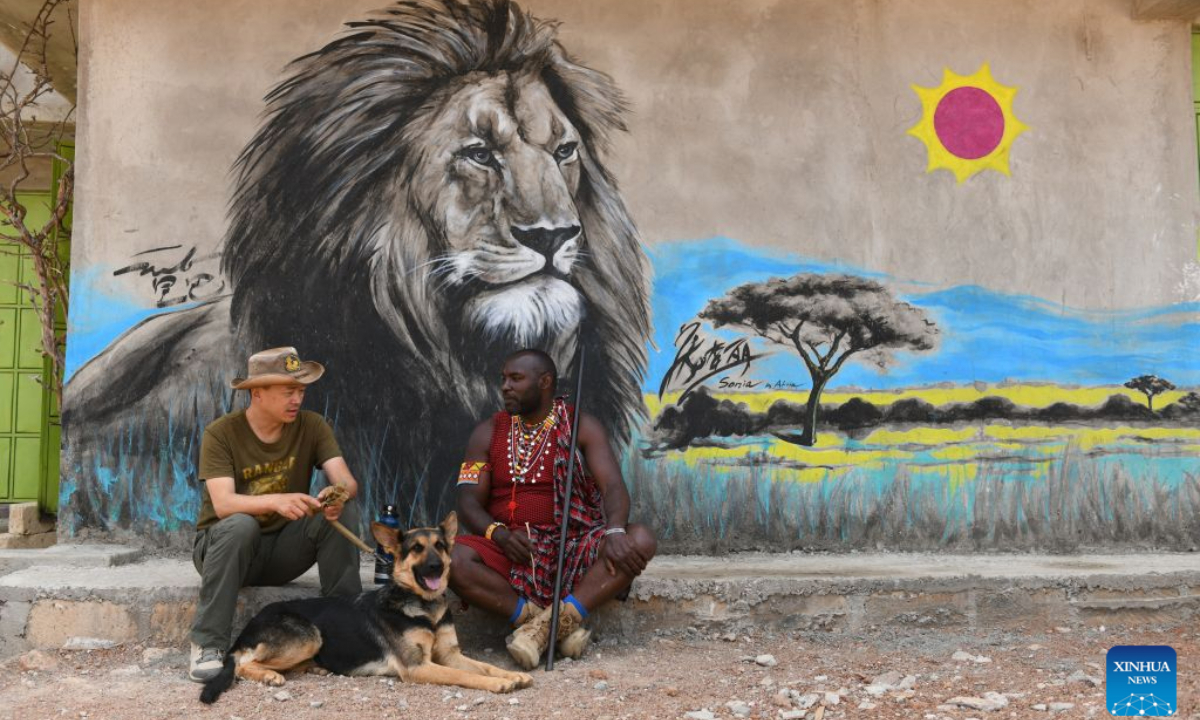
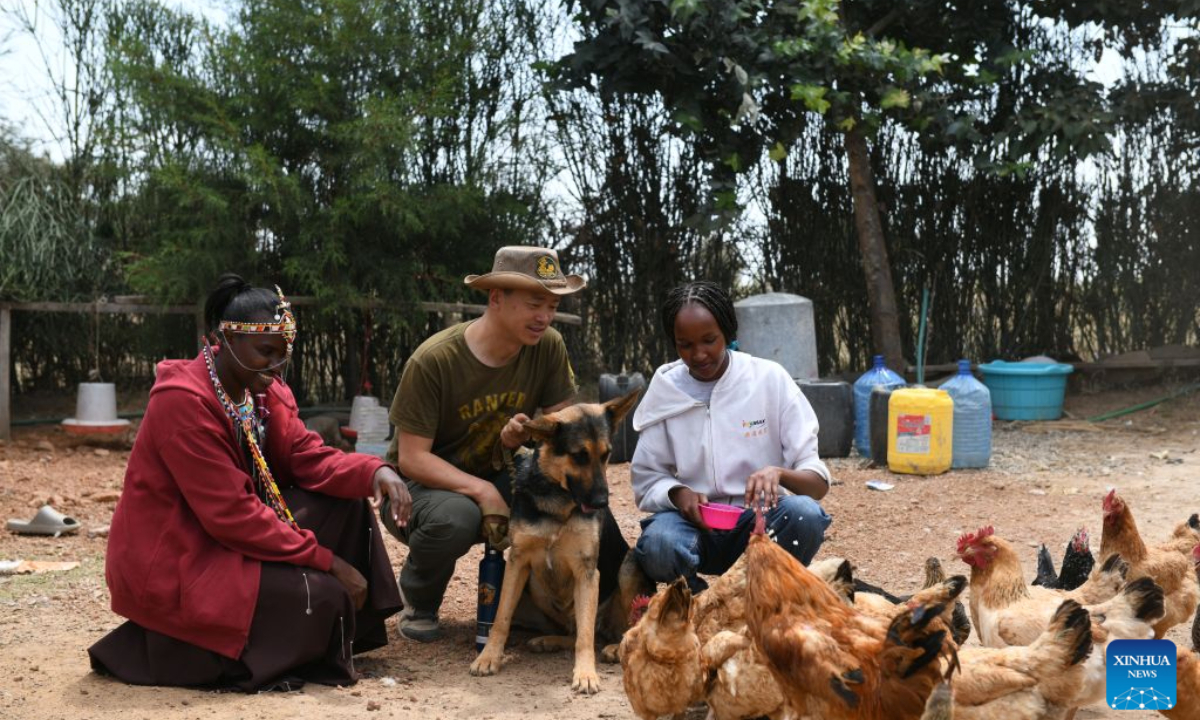
Among them is Chinese conservationist Zhuo Qiang, nicknamed "Simba," the Swahili word for lion. For him, this early-morning routine is driven by a broader mission to achieve human-wildlife coexistence.
In 2010, Zhuo left his job in China at the age of 37 and embarked on a less-traveled path: pursuing wildlife conservation in Kenya.
Without professional training in wildlife conservation, he found himself in a territory then dominated by Western organizations and local practitioners.
But Zhuo decided to stay. "I wanted to prove that Chinese people could also do wildlife conservation," he said.
Initially, Zhuo saw conservation largely through the lens of wildlife science: working in the field, studying animals and collecting data.
Living and working with Maasai communities changed that perspective. "The fate of wildlife was closely tied to the people sharing the same land," he said.
In the Maasai Mara ecosystem, livestock grazing is deeply connected to the livelihoods of pastoral communities. "If local people are asked to stop grazing but are given no alternative source of income, conservation cannot be sustainable," Zhuo said.
That principle laid the foundation for his work with the local community in establishing the Ol Kinyei Conservancy.
The area had suffered from prolonged overgrazing, with plants and the land itself deteriorating. Under the conservation model, local grazing land was leased and gradually restored, allowing vegetation to recover and creating a more suitable habitat for wildlife, said Zhuo.
Meanwhile, households participating in the scheme receive land-rental income and have access to jobs such as wildlife rangers and tourism workers. Their average annual income has increased from around 500 U.S. dollars to about 3,700 dollars, according to Zhuo.
Some residents from surrounding communities also learned from the experience and brought the approach back to their own grazing areas.
Nowadays, 26 private conservancies have been established around the Maasai Mara National Reserve, covering about 1,600 square km, according to Zhuo.
He believes the network of community conservancies provides additional safe space for wildlife to move and survive, extending conservation efforts beyond the boundaries of a single national reserve and into surrounding communities.
Simon Msago, a Maasai community leader in Ngoswani, said Zhuo's work encouraged more residents to take an active role in conservation.
In the past, many residents saw few direct benefits from wildlife conservation and had limited awareness of its importance. Today, community members are increasingly willing to work as rangers and protect wildlife, creating an effective layer of protection around the conservancies, Msago said.
"Human-wildlife conflict cannot be solved simply through restrictions and prohibitions. The key is to create alternative sources of income so that residents can gain tangible benefits from conservation," Zhuo said.
"That is what makes community-based conservation sustainable -- allowing local people to become part of wildlife conservation rather than bystanders with no stake in it."
While continuing his work in the Maasai Mara, Zhuo has also sought to strengthen exchanges between China and Africa in wildlife conservation.
In recent years, he has visited more than 30 nature reserves and national parks in China, sharing his experiences of community-based conservation in Africa with Chinese counterparts.
"Conservation practices in China and Africa each have their own characteristics, and there is much that the two sides can learn from each other," he added.
。王楚钦、徐海东都是现役中国乒乓球一队的运动员,不过成绩差距比较大,前者早已是奥运会男团、混双金牌得主,此外还在各大赛事的各大项目中斩获冠军,其中就包括世乒赛、世界杯男单称王,排名稳居世界第1位。徐海东是目前乒坛比较少见的直拍打法高手,目前排名仅在世界第249位,从未入选过奥运会、世乒赛、世界杯等世界大赛名单。比赛开始后,徐海东在首局拼得非常凶,多次取得领先优势压制对手,王楚钦则在1-4落后的情况下奋起反击并以6-5反超比分,打出了左手横拍运动员对右手直拍选手的威胁,但徐海东也迅速追赶再次战平对手,但很快便连续丢分出现4个局点,最终被王楚钦以11-6拔得头筹。第二局王楚钦开局取得领先优势但很快被追至5-5平,随后双方纠缠至9-9平后才分出胜负,结果王楚钦以9-11被逆转,双方由此而回到同一起跑线。第三局双方再次打得难解难分,王楚钦领先比分后被徐海东咬住并战至4-4平,中间段两人展开了非常精彩的相持球对抗,王楚钦先得2分后台内球失误被追至6-5于是用掉暂停权。
。Among them is Chinese conservationist Zhuo Qiang, nicknamed "Simba," the Swahili word for lion. For him, this early-morning routine is driven by a broader mission to achieve human-wildlife coexistence.
In 2010, Zhuo left his job in China at the age of 37 and embarked on a less-traveled path: pursuing wildlife conservation in Kenya.
Without professional training in wildlife conservation, he found himself in a territory then dominated by Western organizations and local practitioners.
But Zhuo decided to stay. "I wanted to prove that Chinese people could also do wildlife conservation," he said.
Initially, Zhuo saw conservation largely through the lens of wildlife science: working in the field, studying animals and collecting data.
Living and working with Maasai communities changed that perspective. "The fate of wildlife was closely tied to the people sharing the same land," he said.
In the Maasai Mara ecosystem, livestock grazing is deeply connected to the livelihoods of pastoral communities. "If local people are asked to stop grazing but are given no alternative source of income, conservation cannot be sustainable," Zhuo said.
That principle laid the foundation for his work with the local community in establishing the Ol Kinyei Conservancy.
The area had suffered from prolonged overgrazing, with plants and the land itself deteriorating. Under the conservation model, local grazing land was leased and gradually restored, allowing vegetation to recover and creating a more suitable habitat for wildlife, said Zhuo.
Meanwhile, households participating in the scheme receive land-rental income and have access to jobs such as wildlife rangers and tourism workers. Their average annual income has increased from around 500 U.S. dollars to about 3,700 dollars, according to Zhuo.
Some residents from surrounding communities also learned from the experience and brought the approach back to their own grazing areas.
Nowadays, 26 private conservancies have been established around the Maasai Mara National Reserve, covering about 1,600 square km, according to Zhuo.
He believes the network of community conservancies provides additional safe space for wildlife to move and survive, extending conservation efforts beyond the boundaries of a single national reserve and into surrounding communities.
Simon Msago, a Maasai community leader in Ngoswani, said Zhuo's work encouraged more residents to take an active role in conservation.
In the past, many residents saw few direct benefits from wildlife conservation and had limited awareness of its importance. Today, community members are increasingly willing to work as rangers and protect wildlife, creating an effective layer of protection around the conservancies, Msago said.
"Human-wildlife conflict cannot be solved simply through restrictions and prohibitions. The key is to create alternative sources of income so that residents can gain tangible benefits from conservation," Zhuo said.
"That is what makes community-based conservation sustainable -- allowing local people to become part of wildlife conservation rather than bystanders with no stake in it."
While continuing his work in the Maasai Mara, Zhuo has also sought to strengthen exchanges between China and Africa in wildlife conservation.
In recent years, he has visited more than 30 nature reserves and national parks in China, sharing his experiences of community-based conservation in Africa with Chinese counterparts.
"Conservation practices in China and Africa each have their own characteristics, and there is much that the two sides can learn from each other," he added.
。王楚钦、徐海东都是现役中国乒乓球一队的运动员,不过成绩差距比较大,前者早已是奥运会男团、混双金牌得主,此外还在各大赛事的各大项目中斩获冠军,其中就包括世乒赛、世界杯男单称王,排名稳居世界第1位。徐海东是目前乒坛比较少见的直拍打法高手,目前排名仅在世界第249位,从未入选过奥运会、世乒赛、世界杯等世界大赛名单。比赛开始后,徐海东在首局拼得非常凶,多次取得领先优势压制对手,王楚钦则在1-4落后的情况下奋起反击并以6-5反超比分,打出了左手横拍运动员对右手直拍选手的威胁,但徐海东也迅速追赶再次战平对手,但很快便连续丢分出现4个局点,最终被王楚钦以11-6拔得头筹。第二局王楚钦开局取得领先优势但很快被追至5-5平,随后双方纠缠至9-9平后才分出胜负,结果王楚钦以9-11被逆转,双方由此而回到同一起跑线。第三局双方再次打得难解难分,王楚钦领先比分后被徐海东咬住并战至4-4平,中间段两人展开了非常精彩的相持球对抗,王楚钦先得2分后台内球失误被追至6-5于是用掉暂停权。

二 | 暂停结束后,王楚钦继续失误被追至6-6、7-7平,此时比赛用球受损,裁判更换器材后两人继续投入比赛又战至8-8、9-9平。再次进入关键球争夺环节后,王楚钦反手对抗失误9-10被反超,再丢1分后以9-11无缘拿下第三局。
Current article:http://ghrmb4.maqiwenghepinyonghunpeng.cyou/list_ayuztz/ppq2.html
Published on:12:22:00
 非主流
非主流 守法公民
守法公民 舞出我人生
舞出我人生 nba
nba 留守儿童
留守儿童 不结婚
不结婚 极速之巅
极速之巅 天地传说之鱼美人


